
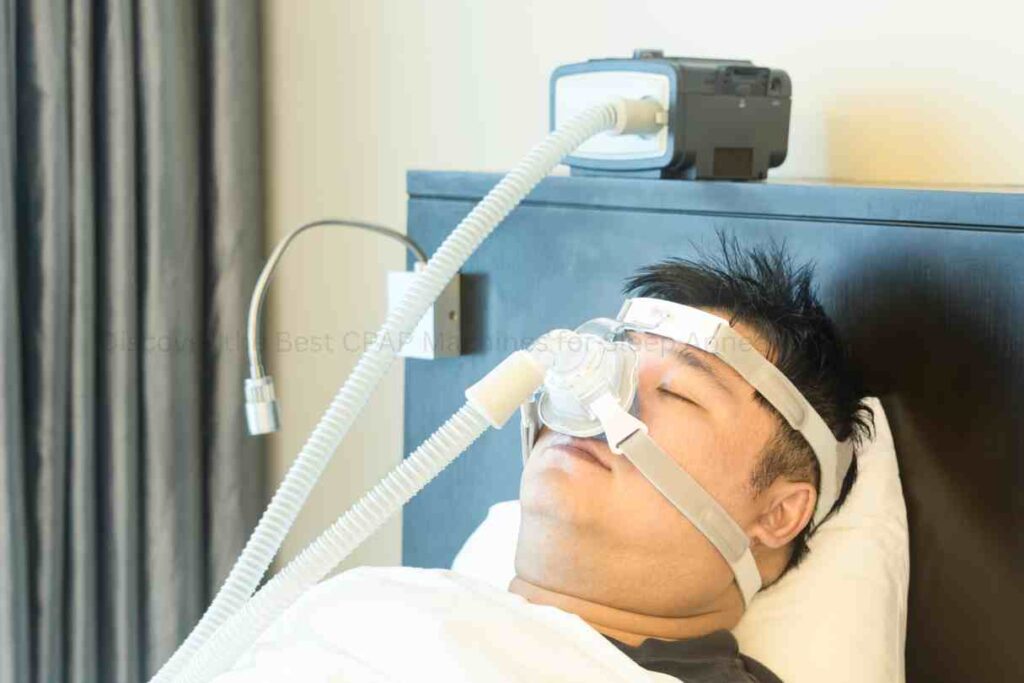
Obstructive Sleep Apnea (OSA) affects millions of Australians, often leaving them exhausted despite a full night’s rest. For those diagnosed, CPAP machines are the gold standard of treatment. Continuous Positive Airway Pressure (CPAP) therapy works by providing a steady stream of pressurized air through a mask, ensuring your airways remain open while you sleep.
Whether you are looking to buy a CPAP machine online for the first time or upgrading an older device, understanding the technology, local Australian regulations, and comfort features is essential for long-term health success.
What are CPAP Machines and How Do They Work?
At its core, a CPAP machine is a motorized medical device that takes in room air, filters it, and pressurizes it to a specific level determined by your sleep specialist. This air travels through a tube and into a mask worn over the nose or mouth.
The Science of Airway Splinting
The pressurized air acts as a “pneumatic splint.” In patients with sleep apnea, the soft tissues at the back of the throat collapse during deep sleep. By maintaining constant pressure, the CPAP machine prevents these collapses, eliminating snoring and the dangerous drops in blood oxygen levels (hypoxia) that characterize OSA.
Modern Variants: CPAP vs. APAP vs. BiPAP
While most people use the term “CPAP” as a catch-all, there are three distinct types of devices available in the Australian market:
- Fixed-Pressure CPAP: Delivers one constant pressure setting all night.
- Auto-Adjusting (APAP): Uses algorithms to sense breathing resistance and adjusts pressure breath-by-breath.
- Bi-Level (BiPAP): Provides a higher pressure for inhalation and a lower pressure for exhalation, often used for complex apnea or lung conditions.
Why CPAP Therapy is Essential for Sleep Apnea
Untreated sleep apnea is linked to significant long-term health risks. Using a CPAP machine consistently (at least 4 hours per night) provides immediate and cumulative benefits.
Cardiovascular Protection
Sleep apnea puts immense strain on the heart. Every time you stop breathing, your “fight or flight” system activates, spiking your blood pressure. Consistent therapy reduces the risk of stroke, heart failure, and hypertension.
Cognitive and Mental Health Benefits
By allowing for uninterrupted REM and deep sleep stages, CPAP therapy:
- Reduces brain fog and improves daytime alertness.
- Decreases the risk of motor vehicle accidents caused by microsleeps.
- Helps regulate mood and reduces symptoms of anxiety and depression linked to sleep deprivation.
Key Features to Look for When You Buy a CPAP Machine Online
The Australian market offers a variety of premium brands, including ResMed, Fisher & Paykel, and Philips. When browsing online retailers, prioritize these features to ensure comfort and compliance.
1. Integrated Humidification
Australia’s climate varies wildly. A built-in humidifier adds moisture to the air, preventing a dry mouth, sore throat, and nasal congestion. Many modern machines now offer “Climate Control” which automatically adjusts humidity based on room temperature.
2. Quiet Motor Technology
Modern devices are virtually silent, often operating at less than 26-30 decibels. This ensures that neither you nor your partner is disturbed by the machine’s operation.
3. Data Tracking and Connectivity
Most new machines feature Bluetooth or 4G connectivity. This allows you to sync your sleep data to a smartphone app, providing a daily “sleep score” and allowing your clinician to troubleshoot your therapy remotely.
4. Expiratory Pressure Relief (EPR)
This feature slightly drops the pressure when you breathe out, making the therapy feel more natural and less like you are fighting against a gust of wind.
How to Choose the Right CPAP Mask
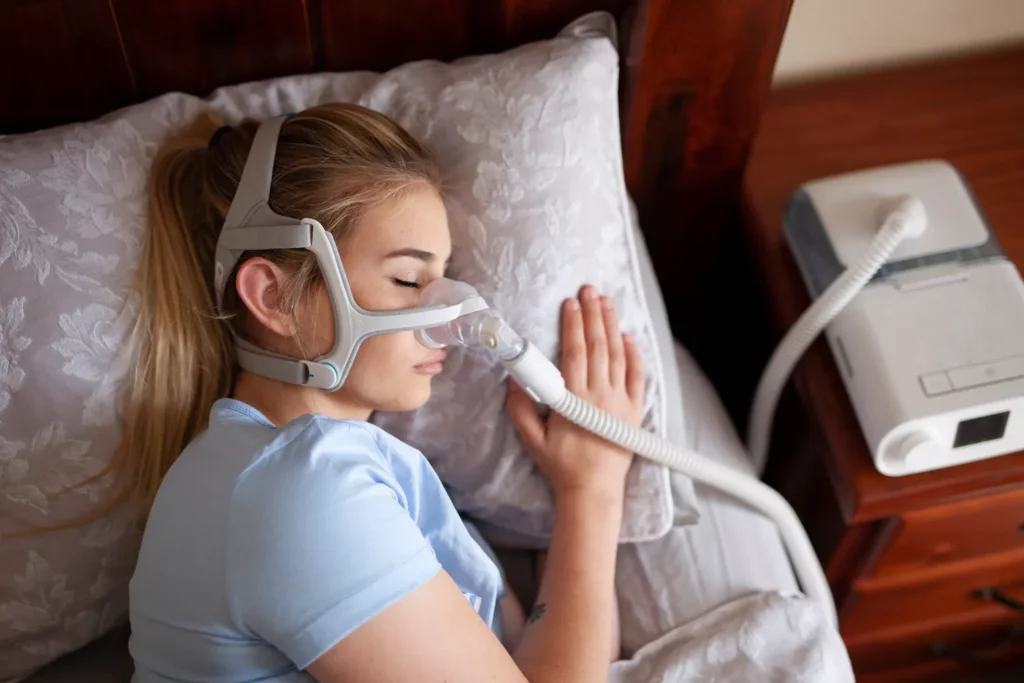
The machine is only half of the equation; the mask is where most users succeed or fail. There are three primary styles:
| Mask Type | Best For… | Key Benefit |
| Nasal Pillows | Active sleepers & those with facial hair. | Minimal contact; high visibility for reading. |
| Nasal Mask | Users who prefer a natural feel but need stability. | Directs flow effectively through the nose. |
| Full Face Mask | Mouth sleepers or those with frequent allergies. | Ensures therapy is delivered even if the mouth opens. |
Step-by-Step: Getting Started with Your CPAP Machine
Starting therapy can be overwhelming. Follow this framework to ensure a smooth transition.
Step 1: Obtain a Valid Prescription
In Australia, while you can browse machines, you typically need a sleep study (polysomnography) and a prescription from a GP or Sleep Physician to set the correct pressure levels.
Step 2: The Acclimatization Period
Don’t wait until bedtime to use the machine for the first time. Wear the mask while watching TV or reading for 30 minutes during the day. This desensitizes your face to the sensation of the mask and the air pressure.
Step 3: Proper Setup
Place the machine on a level surface lower than your head height. This prevents “rainout” (condensation) from running down the tube and into your mask.
Step 4: Routine Maintenance
- Daily: Wipe the mask cushion with a damp cloth to remove skin oils.
- Weekly: Wash the hose and water chamber in warm, soapy water.
- Monthly: Check and replace the disposable air filter.
Common Mistakes to Avoid
Even with the best CPAP machines, certain errors can hinder your progress:
- Ignoring Air Leaks: If you hear a hissing sound, your mask is likely too loose or the wrong size. Air leaks reduce the effectiveness of the therapy.
- Using Tap Water: Always use distilled or demineralized water in your humidifier. Tap water contains minerals that create scale buildup and can damage the machine’s internal sensors.
- Giving Up Too Early: It takes the average person 2 to 4 weeks to fully adjust to sleeping with a CPAP machine. Consistency is the key to habit formation.
- Overtightening the Mask: This causes skin irritation and sores. A mask should be “snug but comfortable.”
Internal Linking & Navigation
- Browse our range of [CPAP Masks Australia].
- Learn more about [Sleep Apnea Symptoms].
- Guide to [CPAP Machine Cleaning Supplies].
- Compare [Auto CPAP vs Fixed Pressure].
Frequently Asked Questions (FAQ)
What is the best CPAP machine available in Australia?
While “best” is subjective, the ResMed AirSense series and Fisher & Paykel SleepStyle are widely considered the gold standard due to their whisper-quiet motors and advanced data tracking.
Can I travel with my CPAP machine?
Yes. Most modern CPAP machines are multi-voltage (100-240V), meaning they work internationally. There are also specific “Travel CPAP” devices that are smaller and battery-compatible for camping or long flights.
How often should I replace my CPAP supplies?
To maintain hygiene and seal quality, masks should be replaced every 6-12 months, filters every month, and the water chamber annually.
Does health insurance cover CPAP machines in Australia?
Many private health insurers in Australia provide rebates for CPAP machines under “Extras” cover. It is best to check with your provider regarding your specific level of coverage.
Why does my CPAP make me feel bloated?
This is known as aerophagia (swallowing air). It often happens if your pressure settings are too high or if you are breathing through your mouth. Consult your clinician to adjust your settings or try a different mask.
Conclusion
Investing in high-quality CPAP machines is an investment in your long-term health, productivity, and quality of life. By understanding the different types of technology available and focusing on a comfortable mask fit, you can successfully manage sleep apnea and wake up feeling truly refreshed.
If you are ready to take control of your sleep, the best next step is to consult with a specialist and explore the latest options to buy a CPAP machine online from a reputable Australian provider.
Would you like me to create a comparison table of the top 3 CPAP machines currently available in the Australian market?