
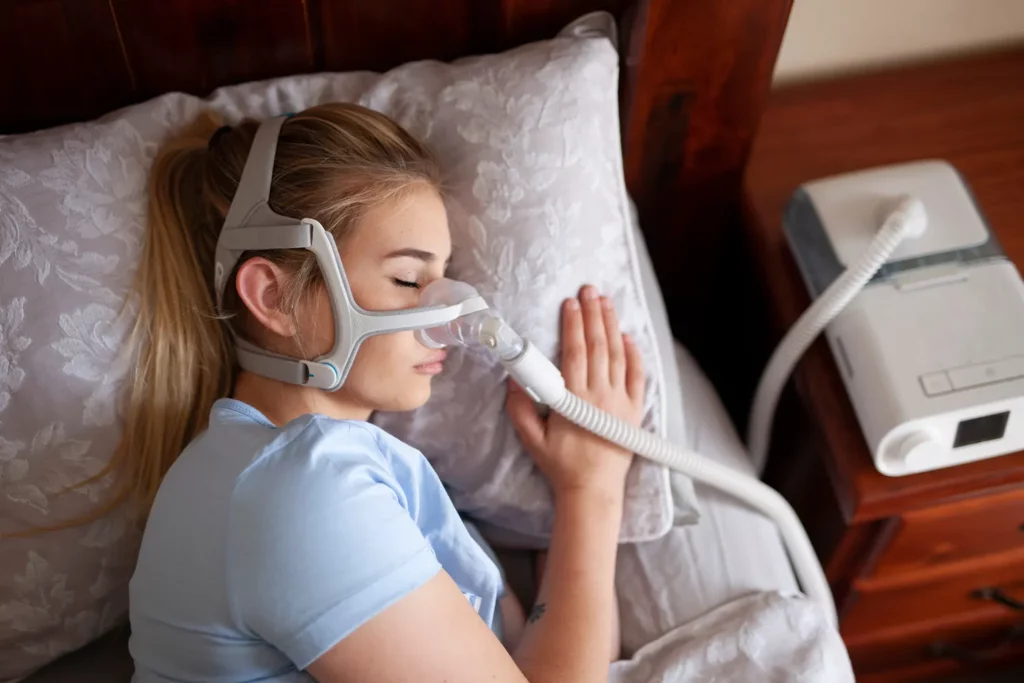
The Future of Home Healthcare: How Air Liquide is Innovating Chronic Respiratory Support in 2026
The landscape of Australian healthcare is undergoing a radical shift, moving away from hospital-centric models toward the comfort and autonomy of the home. As we navigate 2026, the demand for sophisticated, at-home medical solutions has never been higher. For the millions of Australians living with chronic conditions, “The Future of Home Healthcare: How Air Liquide is Innovating Chronic Respiratory Support in 2026” is not just a headline—it is a reality defined by digital integration and patient-centric technology.
Air Liquide Healthcare, through its extensive Australian network, is at the forefront of this transformation. By addressing the home oxygen therapy trends of 2026, the company is bridging the gap between clinical excellence and domestic convenience. This article explores how innovative medical gas solutions and digital monitoring are redefining the “Transformation of Healthcare” pillar for an aging population.
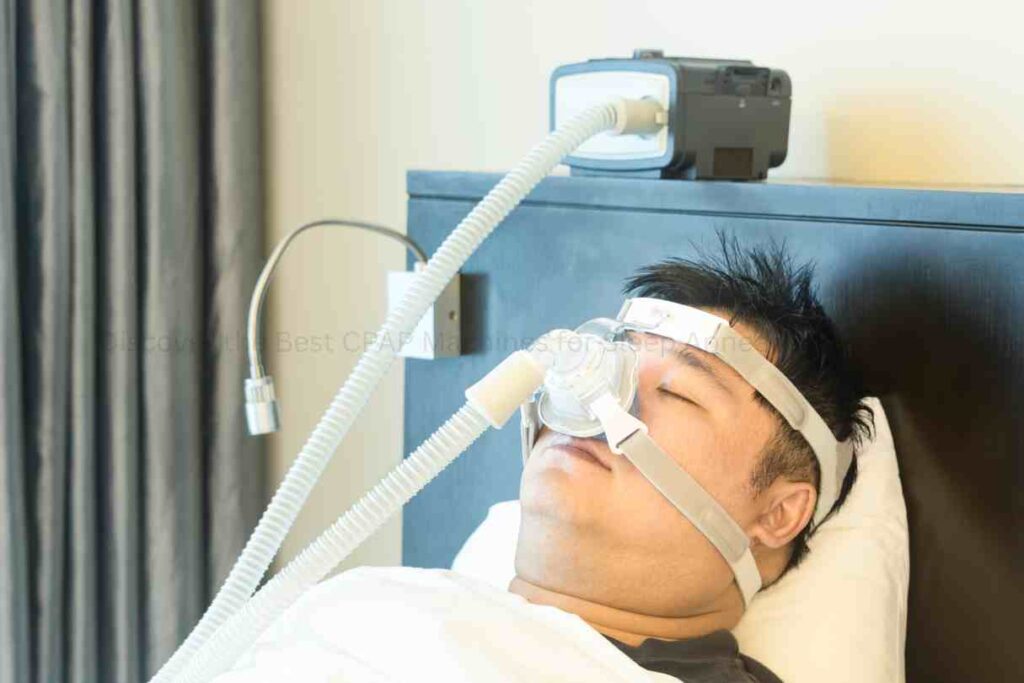
See more: CPAP Machines Australia: The Ultimate Guide to Better Sleep
Understanding Home Oxygen Therapy in 2026
Home oxygen therapy is the supplemental delivery of oxygen to patients who cannot maintain healthy blood oxygen levels on their own. While the core medical requirement remains the same, the delivery mechanisms in 2026 have evolved from bulky, static tanks to intelligent, portable ecosystems.
The Shift to “Smart” Respiratory Care
In 2026, home oxygen therapy is no longer a passive treatment. It is a proactive, data-driven service. Modern systems now incorporate:
- IoT-Enabled Concentrators: Devices that transmit real-time usage data to healthcare providers.
- Predictive Analytics: Software that can forecast potential exacerbations in COPD or asthma patients before they require emergency intervention.
- Precision Delivery: Algorithms that adjust oxygen flow based on the patient’s physical activity and respiratory rate.
How Air Liquide is Innovating Chronic Respiratory Support
Air Liquide’s approach in 2026 focuses on a “Human + Digital” hybrid model. This strategy ensures that while technology handles the monitoring, the human touch remains central to patient care.
1. Advanced Tele-Monitoring and VitalAire Services
Through its VitalAire brand, Air Liquide has implemented remote monitoring platforms that allow clinicians in Sydney, Melbourne, and rural Australia to track patient adherence and device health. This reduces the “white coat syndrome” often associated with hospital visits and ensures that therapy is working as prescribed 24/7.
2. Miniaturisation and Portability
The 2026 fleet of portable oxygen concentrators (POCs) is lighter and more efficient than ever. Air Liquide has prioritised high-flow portable solutions that allow patients to remain active—a critical factor in improving the mental health and longevity of the geriatric population.
3. Sustainable Medical Gas Solutions
Sustainability is a core pillar of 2026 healthcare. Air Liquide is innovating through “circular” equipment cycles, where devices are designed for easy refurbishment and recycling, reducing the environmental footprint of home-based care.
Key Home Oxygen Therapy Trends in Australia
The Australian healthcare sector in 2026 is defined by several key trends that Air Liquide is actively shaping:
| Trend | Impact on Patient | Air Liquide Innovation |
| Value-Based Care | Focuses on health outcomes rather than just equipment supply. | Personalised care plans adapted to individual lifestyle needs. |
| Hospital-in-the-Home (HiTH) | Patients receive acute-level care in their own bedrooms. | Hospital-grade ventilators designed for domestic use. |
| Interoperability | Patient data flows seamlessly between GPs, specialists, and Air Liquide. | Integrated data platforms that sync with My Health Record. |
| AI-Driven Diagnostics | Early detection of lung function decline. | Smart sensors that detect subtle changes in breathing patterns. |
Benefits of Modern Chronic Respiratory Support
The transition to advanced home-based respiratory support offers multi-layered benefits:
- Increased Autonomy: Patients are no longer tethered to a wall outlet, allowing for social engagement and travel.
- Reduced Hospital Readmissions: Continuous monitoring allows for early intervention, preventing the “revolving door” of emergency department visits.
- Cost-Efficiency: Home-based therapy significantly reduces the burden on Australia’s public health budget compared to long-term hospital stays.
- Improved Adherence: When equipment is easy to use and quiet, patients are more likely to follow their prescribed therapy durations.
Real-World Use Case: Managing COPD in Rural Queensland
Consider a 72-year-old patient living in a remote part of Queensland. In the past, managing severe Chronic Obstructive Pulmonary Disease (COPD) would have required frequent 4-hour drives to a major hospital.
In 2026, using Air Liquide’s integrated system:
- The patient uses a smart concentrator that automatically adjusts flow during sleep.
- Data is sent via the cloud to a respiratory nurse in Brisbane.
- When the sensors detect a slight increase in respiratory rate (a precursor to an infection), the nurse initiates a telehealth consult.
- Treatment is adjusted immediately at home, preventing a costly and stressful hospitalisation.
Best Practices for Home Oxygen Therapy
To maximize the benefits of modern respiratory support, patients and caregivers should follow these industry best practices:
- Regular Equipment Calibration: Ensure your provider conducts routine technical checks to maintain oxygen purity levels.
- Stay Active: Use your portable oxygen to engage in light exercise as recommended by your physiotherapist.
- Maintain Digital Connectivity: Ensure your device’s “smart” features are active so your clinical team can support you remotely.
- Safety First: Never smoke or use open flames near oxygen equipment, and ensure your home has working smoke detectors.
Common Mistakes to Avoid
- Self-Adjusting Flow Rates: Never change the Litres per Minute (LPM) without a doctor’s order; too much or too little oxygen can be harmful.
- Neglecting Filter Maintenance: Dust buildup can reduce the efficiency of a concentrator and lower the oxygen concentration delivered.
- Ignoring Alarms: Modern devices have specific alerts for “Low Oxygen” or “Power Failure”—always keep the user manual or support number handy.
Internal Linking & External References
Internal Linking Suggestions:
- Anchor Text: “Chronic disease management in Australia”
- Anchor Text: “Portable oxygen concentrator safety tips”
- Anchor Text: “Benefits of CPAP therapy for sleep apnea”
Authoritative External References:
- Thoracic Society of Australia and New Zealand (TSANZ): For clinical guidelines on oxygen flow rates.
- Australian Institute of Health and Welfare (AIHW): For statistics on chronic respiratory disease prevalence.
FAQ: Home Oxygen Therapy in 2026
What is the most significant change in home oxygen therapy for 2026?
The biggest shift is the integration of AI and remote monitoring, allowing devices to communicate directly with doctors to prevent health crises before they happen.
Does Air Liquide provide support for patients in rural Australia?
Yes, Air Liquide has a robust distribution and telehealth network designed specifically to reach regional and remote Australian communities.
Are portable oxygen concentrators (POCs) covered by government funding?
In many cases, yes. Funding through schemes like EnableNSW or the Department of Veterans’ Affairs (DVA) may cover POCs depending on clinical eligibility.
How loud are the new 2026 oxygen concentrators?
Innovations in sound engineering have reduced noise levels to under 35 decibels, which is roughly equivalent to a quiet library or a whisper.
Can I travel on a plane with an Air Liquide POC?
Most Air Liquide portable units are FAA-approved for air travel. Always check with your airline 48 hours before flying.
Conclusion: Embracing the Future of Respiratory Care
As we look toward the remainder of the decade, The Future of Home Healthcare: How Air Liquide is Innovating Chronic Respiratory Support in 2026 represents a turning point in patient empowerment. By embracing home oxygen therapy trends like digital monitoring, miniaturisation, and value-based care, Air Liquide is ensuring that chronic respiratory conditions do not define a patient’s life, but are simply managed within it.
The synergy between advanced medical gases and smart technology is creating a safer, more efficient, and more compassionate healthcare system for all Australians.